


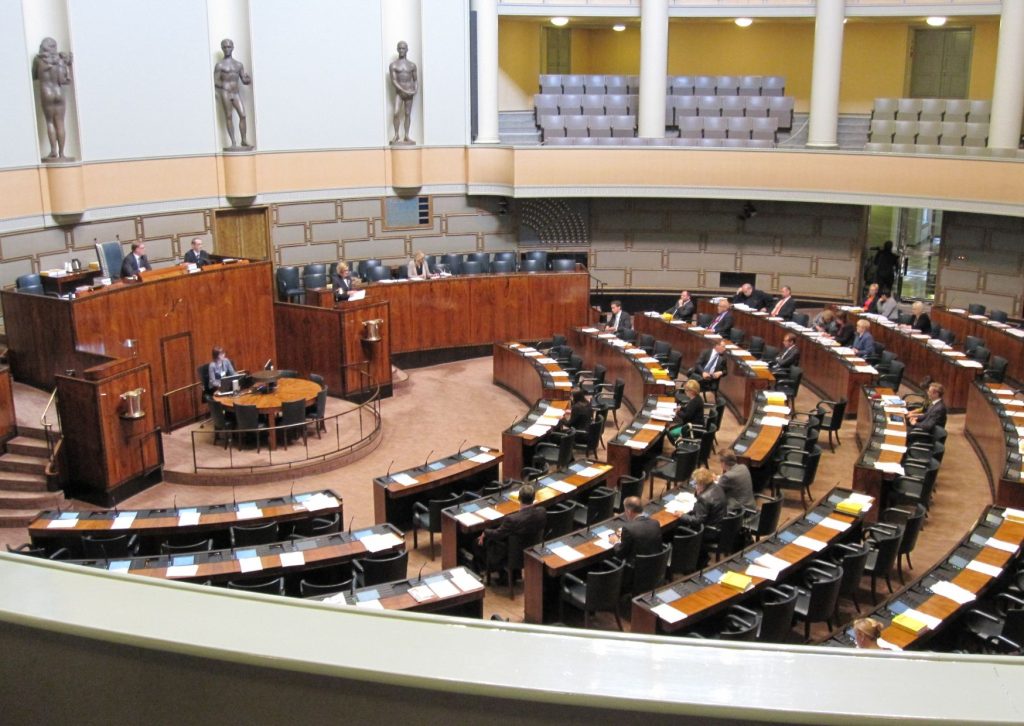

The Eduskunta, or Finnish Parliament, is the legislative body of Finland and plays a central role in shaping the country’s laws, policies, and governance. Known for its commitment to transparency, democracy, and inclusivity, the Eduskunta is the heart of Finnish democracy. Understanding its structure and functions is essential for those preparing for the Finnish citizenship test, as it provides insight into how Finland’s government operates.
Structure of the Finnish Parliament
The Eduskunta is a unicameral (single-chamber) legislature, meaning it has only one house, unlike bicameral systems, which have two houses. The Parliament consists of 200 members, known as MPs (Members of Parliament), who are elected every four years through a system of proportional representation. This electoral model ensures that all major political parties and minority voices are fairly represented, reflecting the diverse views of Finnish society.
Finnish MPs are chosen from 13 electoral districts across the country, with each district allocated a number of seats based on its population. This structure helps balance urban and rural representation, giving each region a voice in national decision-making. Finnish citizens aged 18 and older are eligible to vote in parliamentary elections, and all citizens have the right to run for Parliament, which underscores Finland’s commitment to inclusivity.
Key Responsibilities of the Eduskunta
The Finnish Parliament has several core responsibilities, including:
- Legislative Powers: The primary function of the Eduskunta is to create, debate, and pass laws that govern the country. Proposed laws, or bills, can originate from members of Parliament or the Finnish government. Once a bill is introduced, it goes through several stages of debate and revision before a final vote is taken. If the majority of MPs support the bill, it becomes law.
- Budget Approval: The Eduskunta is responsible for approving Finland’s national budget, which outlines government spending, taxation, and financial planning for the coming year. The budget process involves extensive debate to ensure that funds are allocated effectively to support education, healthcare, defense, and other essential areas. The budget reflects Finland’s priorities and commitment to social welfare.
- Government Oversight: In addition to passing laws, the Eduskunta oversees the work of the Finnish government, holding it accountable to the public. This includes questioning government ministers, reviewing policies, and investigating public complaints. Parliamentary committees play a vital role in scrutinizing the government’s actions, ensuring transparency and adherence to democratic principles.
- Election of the Prime Minister: One of the Eduskunta’s unique roles is to elect Finland’s Prime Minister. After parliamentary elections, the political party with the most seats typically leads coalition negotiations to form a government. Once a coalition is agreed upon, the Parliament formally elects the Prime Minister, who is then appointed by the President. This process underscores the Eduskunta’s influence over the executive branch.
- Foreign Policy and EU Affairs: While Finland’s President leads foreign policy, the Eduskunta plays an essential role in approving international agreements and treaties, particularly those related to the European Union. The Parliament’s Grand Committee is responsible for ensuring that Finnish interests are represented in EU policies, reflecting the importance of EU membership to Finland.
Parliamentary Committees and Their Functions
The Eduskunta operates through a system of committees that handle specific areas of legislation and policy. Committees play a central role in reviewing bills, gathering expert opinions, and proposing amendments. There are several standing committees, such as the Constitutional Law Committee, Finance Committee, and Foreign Affairs Committee, each responsible for different areas of governance.
The committees allow the Eduskunta to examine issues in detail, enabling informed decision-making. Public hearings are often held, where citizens, experts, and interest groups can present their views, making the process transparent and participatory.
Transparency and Citizen Engagement
One of the distinguishing features of the Finnish Parliament is its emphasis on transparency and public engagement. Parliamentary sessions are open to the public and are also broadcast online, allowing Finnish citizens to follow debates and decisions. Citizens can also petition Parliament, raising issues they believe deserve attention. This openness ensures that the Eduskunta remains connected to the public, strengthening trust in Finland’s democratic institutions.
The Role of Eduskunta in Finnish Democracy
The Eduskunta embodies Finland’s commitment to democratic governance, equality, and social justice. By representing diverse views, scrutinizing government actions, and passing laws that reflect Finnish values, the Eduskunta plays an essential role in ensuring that the country remains responsive to its citizens’ needs. For those preparing for the Finnish citizenship test, understanding the structure and functions of the Eduskunta offers valuable insight into Finland’s democratic principles and governance.


